
Injection Moulding Die Basics Every Industrial Buyer Should Know
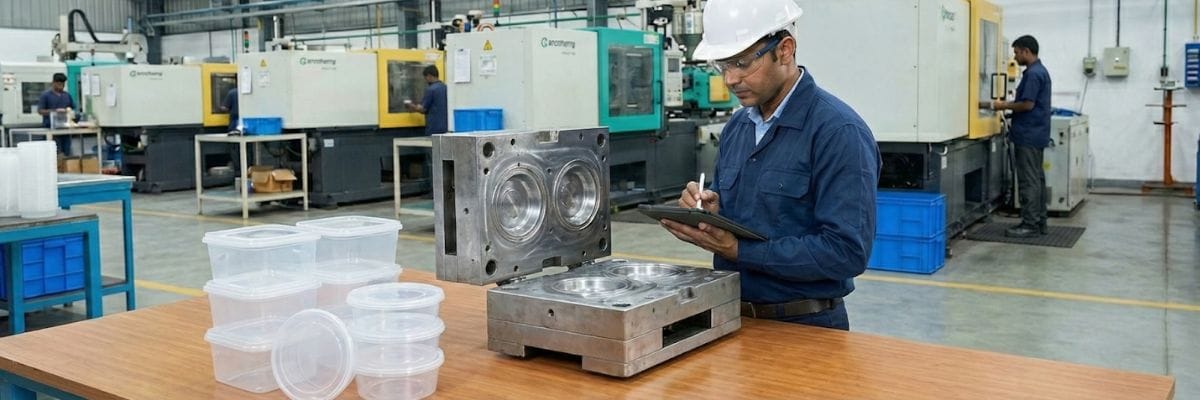
Injection moulding is one of the most reliable and cost-effective ways to produce plastic parts at scale. At the heart of this process is the injection moulding die, also commonly called a plastic mould die.
For industrial buyers, understanding the basics of injection moulding dies helps in:
- Choosing the right supplier
- Avoiding production problems
- Controlling cost and quality
- Getting consistent plastic products
This guide explains injection moulding die basics in simple, buyer-friendly language, without unnecessary technical jargon.
What Is an Injection Moulding Die?
An injection moulding die is a precision tool used inside a plastic injection moulding machine to shape molten plastic into a finished product.
The plastic material is heated, injected into the die cavity, cooled, and then ejected as a solid plastic part.
The quality of the final product depends heavily on the design, material, and accuracy of the die.
In simple terms:
- Plastic injection mould = the tool that gives shape
- Plastic mould die = the core working part of that tool
Why Injection Moulding Dies Matter for Industrial Buyers
Many buyers focus mainly on machine capacity or raw material. However, the plastic product die is what actually controls:
- Part dimensions and accuracy
- Surface finish
- Production speed
- Rejection rate
- Tool life and maintenance cost
A well-designed injection moulding die reduces long-term production problems and improves overall efficiency.
Main Parts of a Plastic Injection Moulding Die (Simple Overview)
An injection moulding die typically includes:
- Cavity and core – Give shape to the plastic part
- Runner and gate system – Controls plastic flow
- Cooling channels – Helps cool the part evenly
- Ejection system – Pushes the finished part out
A professional die manufacturer designs all these parts carefully to ensure smooth and repeatable production.
Injection Moulding Die and Plastic Injection Moulding Machine Relationship
The injection moulding die works together with the plastic injection moulding machine. Both must be compatible in terms of:
- Clamping force
- Shot capacity
- Die size
- Cooling and ejection system
If the die is not designed according to the machine specifications, it can lead to:
- Machine downtime
- Poor part quality
- Higher maintenance cost
This is why experienced die manufacturers always consider the machine details during die design.
Common Problems Caused by Poor Injection Moulding Die Design
Industrial buyers often face these issues due to low-quality dies:
- Incomplete filling
- Flash on plastic parts
- Warpage and bending
- Short die life
- High rejection rate
Most of these problems originate from poor plastic mould die design, not from the machine or material.
How a Good Die Manufacturer Solves These Problems
A reliable die manufacturer focuses on:
- Correct plastic flow design
- Balanced cooling system
- Proper venting
- Accurate machining
- Quality tool steel selection
This ensures that the plastic injection mould produces consistent, high-quality parts over a long production life.
Materials Used in Injection Moulding Dies
The material used for a plastic mould die directly affects durability and performance. Common die materials include:
- Hardened tool steel for high-volume production
- Pre-hardened steel for medium production
- Alloy steel for precision parts
Choosing the right die material depends on:
- Production quantity
- Plastic material type
- Required accuracy
- Budget
An experienced die manufacturer helps buyers select the right option.
Plastic Product Die: Custom vs Standard
Most industrial applications require a custom plastic product die, designed specifically for the product.
Custom dies offer:
- Better part fit and finish
- Optimized production speed
- Lower rejection rate
Standard dies may reduce initial cost but often increase long-term production issues.
Role of Plastic Die Machine in Production Efficiency
The plastic die machine (injection moulding machine) and die must work in perfect coordination. A well-designed die:
- Reduces cycle time
- Improves machine utilization
- Minimizes breakdowns
- Lowers per-part cost
This directly improves production efficiency and profitability.
What Industrial Buyers Should Check Before Ordering an Injection Moulding Die
Before placing an order, buyers should check:
- Die manufacturer’s experience
- Type of industries served
- Tool steel quality
- Design and testing process
- After-sales support
Choosing the right partner is more important than choosing the lowest price.
Why Indian Die Manufacturers Are Preferred Globally
Many global buyers source dies from India because of:
- Strong engineering expertise
- Cost-effective manufacturing
- Export-ready quality standards
- Experience with global plastic products
Indian die manufacturers today serve automotive, electrical, packaging, medical, and industrial sectors worldwide.
Final Thoughts
An injection moulding die is not just a tool, it is a long-term production asset. Understanding the basics of plastic injection moulds, plastic mould dies, and their relationship with machines helps industrial buyers make better sourcing decisions.
A well-designed die improves product quality, reduces waste, and delivers better return on investment over time.
Looking for a Trusted Injection Moulding Die Manufacturer in India?
At R D Mould, we design and manufacture high-quality plastic injection moulds and injection moulding dies for industrial applications, focusing on precision, durability, and reliable production.
📩 Contact us today to discuss your plastic mould die requirement and get expert guidance.


